
Alcohol & Your Brain
How Alcohol Affects the Brain and Behavior
If someone you love drinks heavily, you may worry about how alcohol is affecting their brain. Alcohol changes the way the brain works right away. And over time, repeated drinking can make these changes worse. Understanding this can help you see why treatment is so important.
What Happens in the Brain When Someone Drinks
When a person drinks alcohol, it goes into the bloodstream and reaches the brain quickly. Alcohol is a depressant — this means it slows down brain activity, especially in parts that control memory, judgment, and movement. Verywell Health
At first, a drink might make someone feel relaxed or happy. But alcohol also affects important brain chemicals (neurotransmitters). It increases chemicals that slow thinking and reduces those that help the brain stay alert and focused. Healthline
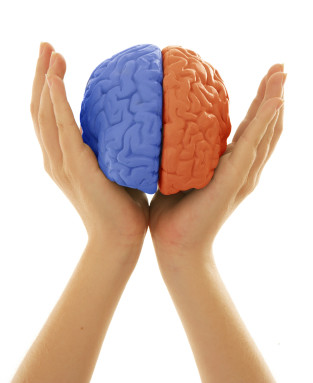
Short-Term Effects on the Brain
Even just a few drinks can affect the brain in ways families notice:
-
Slurred speech and blurred vision
-
Poor memory or “blackouts”
-
Slower reaction time
-
Bad judgment or risky behavior
-
Balance problems
These effects happen because alcohol disrupts how neurons (brain cells) communicate. Health
Long-Term Effects of Heavy Drinking
Frequent, heavy drinking can change the brain more deeply. Over time, it may:
-
Damage memory and learning centers
-
Shrink brain tissue
-
Weaken decision-making skills
-
Increase risk for addiction
These changes happen because alcohol can kill brain cells and reduce brain volume. The most affected areas include those that control memory, reasoning, and movement. Verywell Health+1
Why This Matters for Your Loved One
Alcohol doesn’t just affect the body — it alters how someone sees the world, how they solve problems, and how they control behavior. These brain changes often make it harder for someone to stop drinking on their own. That’s one reason why professional help and therapy are so important.
Hope Through Treatment
The good news is the brain can heal. With treatment, many people regain better thinking, memory, and stability. Early support gives your loved one a stronger chance to recover and rebuild life. NIAAA
Call now so we can help. Our team is here to answer your questions, support your family, and guide your loved one toward recovery.
Toll Free: (888) 418-4188