
What Makes Alcohol Addictive? The Science Behind Alcohol Use Disorder
Alcohol addiction doesn’t begin with a single drink—it builds over time. What starts as casual or social use can gradually turn into something more serious. For millions of individuals, alcohol becomes something they rely on physically and emotionally. But why does this happen? What makes alcohol so addictive for some and not for others?
Let’s explore the biology of addiction, the emotional and psychological factors at play, and how recovery from alcohol addiction is possible for those ready to make a change.
How Alcohol Affects the Brain
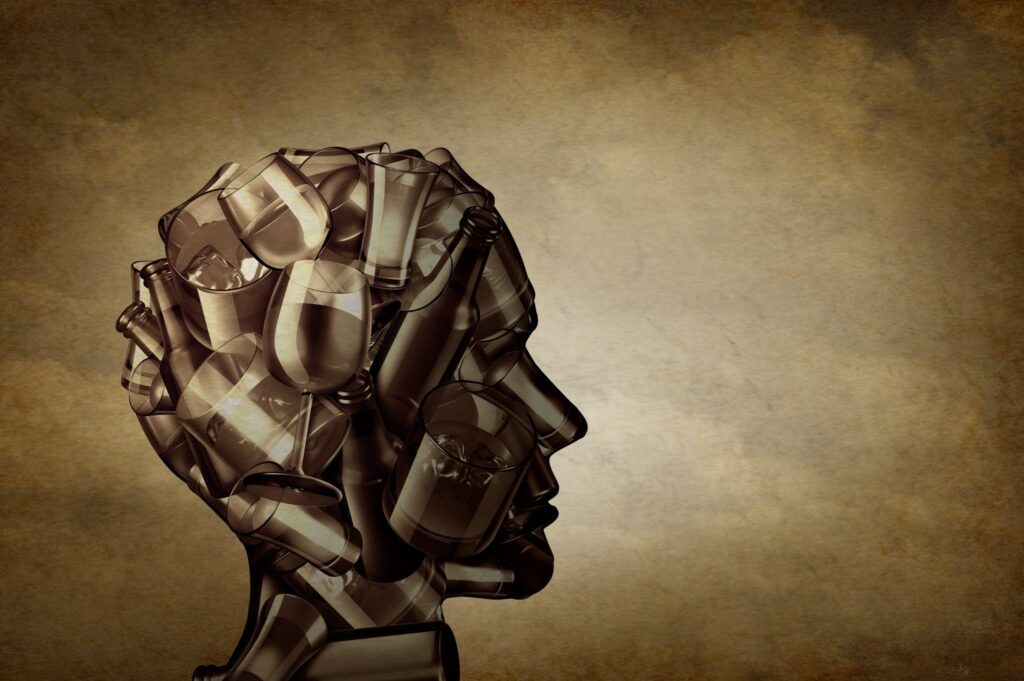
When someone drinks alcohol, their brain’s reward system is activated. Alcohol increases the release of dopamine, a chemical linked to feelings of pleasure and reinforcement. This is what creates that initial sense of relaxation or euphoria.
The more someone drinks, the more the brain adjusts to those dopamine surges. Over time, the brain produces less dopamine naturally. It begins to expect alcohol in order to feel “normal.”
These changes can lead to:
- Tolerance – Needing more alcohol to feel the same effects
- Dependence – Feeling withdrawal symptoms when not drinking
- Cravings – A strong urge to drink, even in harmful situations
Physical and Psychological Dependence
Alcohol addiction isn’t only about what happens in the body—it’s also deeply tied to how a person copes with emotions, stress, and trauma. Over time, alcohol can become a learned response to discomfort, anxiety, or unresolved pain. This pattern makes it difficult to stop drinking without addressing both the physical effects and the emotional reasons behind alcohol use.
Physical Dependence
The body becomes used to having alcohol in its system. When alcohol use stops, symptoms like shaking, sweating, nausea, anxiety, and insomnia can appear. In severe cases, withdrawal can include seizures or hallucinations. That’s why detoxing under medical supervision is often necessary. Quitting cold turkey at home can be dangerous.
Without proper support, withdrawal can quickly become overwhelming. This leads many people to relapse. Medical detox provides stabilization, safety, and a foundation for long-term recovery.
Psychological Dependence
Many individuals use alcohol to escape difficult emotions or past trauma. Over time, it becomes a go-to response for stress or pain. This emotional reliance can be even harder to break than the physical symptoms.
Alcohol may temporarily numb emotional discomfort, but it also prevents true healing from taking place. Lasting recovery requires new coping tools, emotional support, and a safe space to address the root causes of drinking.
Why Some People Become Addicted
Not everyone who drinks becomes addicted. Several factors influence a person’s risk, including:
- Genetics – A family history of addiction increases the likelihood
- Mental health – Conditions like anxiety, depression, or PTSD are often linked to alcohol misuse
- Environment – Easy access to alcohol, early exposure, or social pressure all raise risk
- Coping skills – Some individuals turn to alcohol because they lack other ways to manage life’s challenges
No single factor guarantees someone will become addicted. It’s usually a mix of biological, emotional, and environmental elements.
What Is in Alcohol That Makes It Addictive?

The primary ingredient in alcoholic drinks that causes addiction is ethanol. Ethanol is a psychoactive substance that directly affects the brain and central nervous system. Ultimately, ethanol is what is in alcohol that makes it so addictive.
Ethanol alters communication between brain cells, especially in areas that regulate mood, behavior, and decision-making. It triggers the release of dopamine, the brain’s “feel-good” chemical, which reinforces the desire to keep drinking.
Over time, the brain begins to rely on ethanol to produce these pleasurable effects. As tolerance builds, individuals need more alcohol to achieve the same feelings, which increases the risk of dependence and addiction.
Signs Alcohol Use Has Become a Problem
It’s common for people to minimize or justify their drinking habits. But certain signs can indicate that alcohol is having a harmful impact:
- Drinking more than intended or being unable to stop
- Feeling anxious or irritable when not drinking
- Missing work or other responsibilities due to alcohol use
- Drinking alone or in secret
- Needing alcohol to cope with stress, sadness, or anxiety
When these patterns show up, it may be time to reach out for help.
The Good News: Recovery Is Real

Alcohol addiction is serious, but it’s also treatable. Many individuals who once felt stuck in the cycle of addiction have gone on to rebuild meaningful, sober lives.
At Yellowstone Recovery, we provide structured, compassionate care that treats the whole person—not just the addiction. From detox and residential treatment to outpatient services and sober living, our team supports each step of the journey.
We combine proven 12-step principles with therapy, life skills, and a strong recovery community. This approach helps individuals gain confidence, rebuild trust, and develop new tools for long-term success.
Take the First Step Toward Healing With Yellowstone Recovery

Alcohol addiction doesn’t come from weakness or lack of willpower. It stems from complex changes in the brain and body—often shaped by stress, trauma, or genetics. If you’re ready for a change, there is hope and help available.
At Yellowstone Recovery, we’re committed to walking with you through every step of the recovery process. If you or someone you care about is working toward recovery from alcohol addiction, we’re here to help. Call us today for a free, confidential consultation.