
How Are Opioids Addictive?
With the continued opioid crisis in the United States, many people find themselves wondering how medication prescribed by a medical doctor can be so addictive that over 150 people die from an opioid-related drug overdose every day.
Not only are opioids incredibly addictive, but they are a high-risk drug for overdosing, and more and more people are starting to educate themselves on their uses and effects and the dangers of abusing them even temporarily.
What Are Opioids?
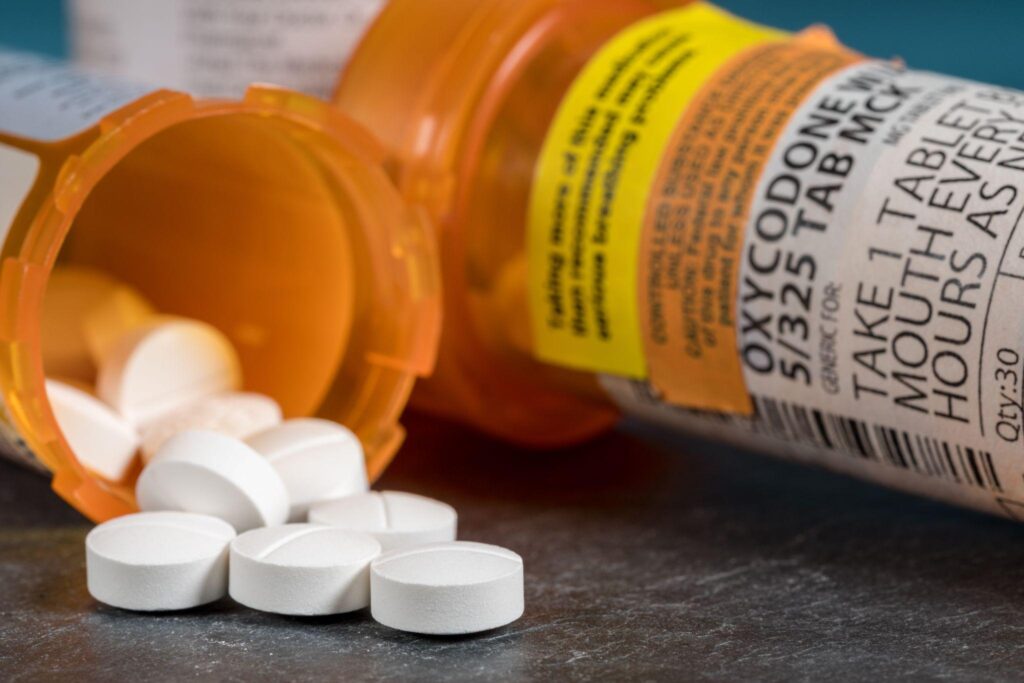
Opioids are a type of prescription pain medication that is manufactured from the opium poppy plant or synthetically produced in a lab. Prescription opioids are used to relieve moderate to severe pain caused by surgery or injuries.
How Do Opioids Affect Your Brain?
Opioid drugs work by interacting with the opioid receptors on the nerve cells of your central nervous system and brain. This interaction blocks the pain signals traveling to your brain and, when used in high enough doses, can cause temporary feelings of euphoria and wellbeing.
What Are the Most Common Prescription Opioids?
According to the National Institute on Drug Abuse, the most commonly prescribed opioids include:
- Hydrocodone (Vicodin)
- Oxycodone (OxyContin and Percocet)
- Oxymorphone (Opana)
- Morphine (Kadian and Avinza)
- Codeine
- Fentanyl
The most well-known illegal opioid on the market is heroin, which is often used once access to prescription opioids is limited or restricted.
How Are Opioids Taken?
Prescription opioid pain relievers usually come in tablet form and are only used for a short period. However, once a person starts to abuse opioids, they may use them in a variety of ways, including:
- Crushing the pills to speed up the effects of opioids
- Dissolving the powder in water
- Injecting the dissolved powder into their veins
- Snorting the powder
Fentanyl patches and other methods of use exist, although they are not nearly as common.
How Are Opioids Acquired?

Opioids are typically prescribed by a doctor for acute or chronic pain relief, although it is recommended that opioids are only used for short periods of time. However, once an opioid addiction develops, individuals may resort to falsifying prescriptions, buying opioids from illegal pharmacies or dealers, ordering the pills online, or turning to heroin, the cheaper, street drug version.
What Makes Them Addictive?
Opioids have such a high risk of addiction for several reasons:
- They are easily accessible and commonly prescribed as painkillers.
- Your body quickly becomes tolerant to the effect of the drug, meaning you need to increase your dose to get the same effect or high.
- Eventually, your body becomes dependent on opioids to function normally, and you experience severe withdrawal symptoms between doses.
Once you’ve developed an opioid use disorder, it can be incredibly challenging to stop or reduce your dose, and you may need medical treatment to recover.
What Are the Risk Factors of Opioid Addiction?
Several behaviors can increase the risk of developing an opioid addiction. One major risk factor is using someone else’s prescription opioids to manage acute or chronic pain, which can lead to misuse and dependency. Another is taking your prescribed opioid medication more frequently or in higher doses than directed by your doctor, which raises the risk of developing a tolerance and dependence.
Additionally, using opioids not for their intended purpose of pain relief but instead to experience a euphoric high significantly increases the likelihood of addiction. These patterns of misuse can quickly escalate, making early awareness and intervention essential.
The Dangers of Opioid Addiction
Opioid addiction poses serious risks, with two of the most significant being overdose and the potential progression to more dangerous substances. Overdose often occurs when someone stops using opioids for a period of time, then relapses and takes the same amount they used before—without realizing their tolerance has decreased. This sudden miscalculation can be fatal if overdose reversal medications like naloxone aren’t available or if emergency medical help doesn’t arrive in time.
Additionally, ongoing opioid abuse can lead individuals to turn to illegal drugs such as heroin, which are frequently mixed with unknown and harmful substances, including extremely potent opioids like fentanyl. These factors make opioid addiction particularly life-threatening and highlight the urgent need for effective prevention and treatment.
Signs of Opioid Addiction
How do you know if you are addicted to opioids? If you’re worried you or your loved one may be one of the many people who are addicted to opioids, carefully observe if they show the following signs of opioid addiction:
- Unexplained weight loss
- Antisocial behavior
- Lying about drug use
- Symptoms of withdrawal
- Financial problems
- Job loss
- Impulsive behavior
Recognizing the signs of opioid addiction can be difficult, especially if it started with a legitimate prescription. However, if you find yourself needing higher doses to feel the same relief, experiencing cravings, or feeling anxious or sick between doses, these could be signs of dependence.
You might also notice changes in your behavior—like withdrawing from loved ones, missing work, or struggling financially due to drug use. If you’ve tried to stop but couldn’t, or if opioids have started to take control of your daily life, it may be time to seek help. You’re not alone, and support is available.
Getting Treatment

Getting treatment for your loved one’s or your opioid drug addiction is essential to ensuring your long-term health and wellbeing.
Substance abuse treatment for opioid addiction typically involves medication-assisted treatment, individual therapy, group therapy, and family counseling.
To prevent future relapses, Yellowstone Recovery also provides each participant in its programs with access to sober living homes so they can continue their journey to recovery in a drug- and alcohol-free environment.
If you or a loved one struggles with substance abuse or addiction, call us today at (888) 418-4188 to get the advice and treatment you need.