Fentanyl Addiction
Fentanyl has become one of the most dangerous, addictive drugs in the country. Fentanyl addiction, overdose, and withdrawal affect thousands of Americans every year. Whether you are using fentanyl yourself or are worried about a loved one, learning to identify fentanyl addiction signs and how fentanyl addiction can be treated are crucial to getting help.
At Yellowstone Recovery, we offer personalized treatment programs in a warm, caring setting to help you overcome your addiction to fentanyl and begin your journey toward a sober, rewarding, and happy life.
Contact us today to learn how we can help you.
What Is Fentanyl?
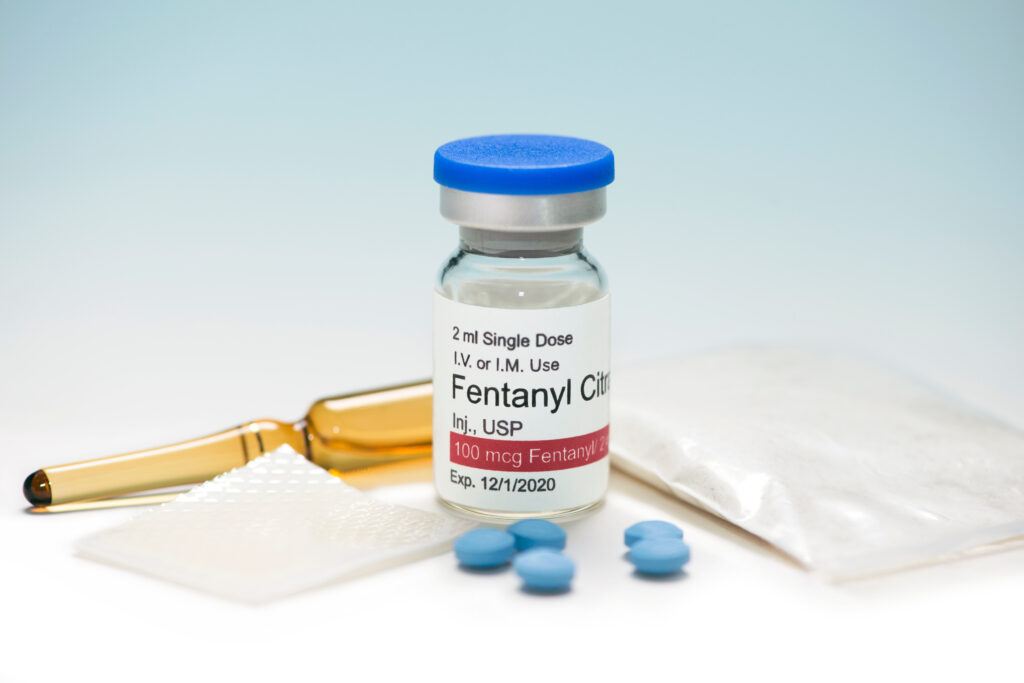
Fentanyl is a powerful synthetic opioid that is between 50 and 100 times stronger than morphine. As a prescription medication, fentanyl is used in hospitals to control pain after major surgeries or invasive medical procedures.
Other names for prescription fentanyl include:
- Sublimaze
- Duragesic
- Actiq
However, due to its addictive nature, fentanyl is also manufactured in informal drug labs and sold on the street.
When fentanyl is produced illegally, it can also be known as:
- Tango and Cash
- Murder 8
- Jackpot
- Apache
- Friend
- Goodfellas
- Dance Fever
Effects of Fentanyl
As an opioid, fentanyl is a powerful painkiller. When it is abused, it can also produce intense feelings of euphoria. At the same time, the drug is also known to cause a range of side effects like:
- Nausea
- Seizures
- Fainting
- Slowed breathing
- Low blood pressure
- Vomiting
- Loss of consciousness
- Sedation
- Death
Due to its powerful effects, fentanyl is extremely dangerous and has caused thousands of overdose deaths among those who abuse it over the years. Getting professional help for fentanyl addiction or misuse is critical.
How Do People Use Fentanyl?
Prescription fentanyl typically comes as a transdermal gel patch, a lozenge, or intravenous injection. When used illegally, however, fentanyl can be injected, snorted, or taken orally.
Why Is Fentanyl Dangerous?
The danger of fentanyl lies in how easily it can cause an overdose. Fentanyl is incredibly powerful, and very few illegal forms of fentanyl are 100% pure. Often, street fentanyl is mixed with other drugs like cocaine or heroin. As a result, the amount of pure fentanyl in a certain amount of product can vary.
Someone may take the same amount of the product, but get a much higher dose of fentanyl than they’re used to, leading to an overdose.
Another danger lies in the addictive properties of fentanyl, and the lengths people who are addicted to it will go to acquire it, possibly buying illegal fentanyl from a drug dealer and unknowingly taking a slew of other drugs or overdosing in the process.
Why Do People Get Addicted to Fentanyl?
People typically start misusing fentanyl after misusing the prescription version of it following surgery or serious injury. Over time, it takes more and more fentanyl to get the same euphoric high, and living a normal life feels almost impossible without a steady supply of the drug. At this point, the person has become addicted to fentanyl and requires professional intervention to become sober.
Recognizing and Responding to a Fentanyl Overdose
If you are worried that someone close to you is using fentanyl, learning the signs of a fentanyl overdose and how to respond may help you save their life.
Signs of a fentanyl overdose include:
- Stupor
- Changes in pupil size, especially shrinking to pinpoint
- Breathing problems
- Clammy, cold skin
- Blue tinge on their hands and feet
- Coma
These symptoms are common across overdoses of a range of opioids, not just fentanyl. If someone exhibits these symptoms, seek emergency medical help immediately.
Symptoms and Signs of Fentanyl Addiction and Abuse

The most common fentanyl addiction symptoms include:
- Sleepiness
- Shallow breathing
- Extreme happiness, energy levels, or euphoria
- Blurry vision
- Poor balance
- Constipation
- Nausea
- Unexplained itching and scratching
Beyond these physical symptoms, fentanyl addiction signs also include:
- Isolation or being too busy for friends and hobbies that were once enjoyed
- Always running out of money but not having anything to show for it
- Avoiding work responsibilities and social gatherings
- Experiencing withdrawal symptoms whenever they spend a few hours off of the drug
The Risks of Fentanyl Withdrawal
Fentanyl withdrawal symptoms are severe. The intensity of these symptoms often pushes people to use again, also increasing their risk of overdose. The most common withdrawal symptoms include:
- Muscle pain
- Anxiety
- Repetitive yawning
- Runny nose
- Dilated pupils
- Nausea and vomiting
- Goosebumps on their skin
- Elevated heart rate
- Abdominal pain and cramps
- High blood pressure
- Sweating
How Fentanyl Withdrawal Is Treated
Most fentanyl withdrawal symptoms start subsiding after around 72 hours. However, during those 72 hours, the person going through withdrawal should be under careful medical supervision. A doctor can prescribe medication to ease some of the effects of withdrawal, while ensuring the person doesn’t relapse or overdose because of their intensity.
Comprehensive Care for Fentanyl Addiction Los Angeles Residents Can Trust
Our fentanyl treatment center Los Angeles clients rely on provides a supportive place to begin healing. Many people feel overwhelmed by the strength of fentanyl and the intensity of fentanyl withdrawal Los Angeles residents often experience. Our team offers guidance that helps clients move through early recovery with confidence.
A Supportive Setting for Recovery
Fentanyl addiction affects physical health, emotional balance, and daily stability. Clients benefit from a calm environment that allows them to focus on recovery. This approach helps people begin fentanyl detox and fentanyl rehab with steady support around them.
Therapy That Builds Long-Term Strength
Clients meet with therapists who help them understand the patterns linked to fentanyl addiction. Treatment includes:
- Individual counseling
- Group therapy
- Family sessions
These services help clients rebuild communication skills, develop healthier coping habits, and connect with others who understand their experiences.
Wellness Practices That Encourage Stability
Simple wellness activities help the body adjust after fentanyl use. Clients receive:
- Healthy meals
- Light movement options
- Restorative activities that reduce stress
These practices make it easier to stay focused on recovery and avoid triggers.
Relapse Prevention and Long-Term Planning
Our fentanyl rehab Los Angeles program includes education on how to manage cravings and recognize high-risk situations. Clients leave treatment with:
- A personalized recovery plan
- Clear steps for maintaining sobriety
- Ongoing support options for continued stability
Treatment for Fentanyl Addiction at Yellowstone Recovery
Fentanyl addiction requires professional treatment in a calm, drug-free setting. Our fentanyl rehab program at Yellowstone Recovery focuses on providing participants with all the care and tools they need to get clean and stay clean for life.
Fentanyl Detox Treatment
The first step of our addiction treatment program for people with fentanyl use disorder is a medical detox. During this program, participants go through withdrawal and rid their bodies of all traces of the drug. Our skilled medical staff is always available to help ease withdrawal symptoms and respond to health concerns as they arise.
Residential Treatment for Fentanyl Addiction
Depending on how long you’ve been addicted to fentanyl, the next step in your recovery journey may be an inpatient or outpatient treatment program. In our inpatient rehab for fentanyl, participants live onsite at our treatment facilities under constant supervision from our experienced staff. They also attend daily therapy, counseling, and holistic treatment sessions to help them build resilience and stay sober once they leave.
Outpatient Fentanyl Addiction Treatment
If you have not used fentanyl for a long time, or you have already completed a residential treatment program, your next step will be outpatient treatment. During an outpatient program, you can live at home or in a sober living space, provided there are no drugs or negative influences present.
Participants join therapy, counseling, and other treatment sessions on a regular basis while enjoying the opportunity to work, study, and re-integrate into their normal lives once again. Outpatient treatment also focuses on relapse prevention skills aimed to help you stay sober and happy about it for life.
Strengthening Recovery After Fentanyl Detox for Los Angeles Clients
Once the physical phase of fentanyl withdrawal has passed, many clients continue to need support as they return to daily life. Post-detox care focuses on rebuilding emotional balance and creating routines that encourage long-term sobriety.
Continued Counseling and Stability
Follow-up care helps clients stay grounded during early recovery. Many benefit from:
- Ongoing individual counseling
- Support from recovery professionals
- Regular check-ins that reinforce accountability
Community and Peer Support
Some clients choose to join alumni or peer groups. These groups offer:
- A sense of connection
- Encouragement from others in recovery
- A space to discuss challenges and progress
This support helps clients remain steady as they move forward with their lives.
If you’re ready to get started on the road to recovery from fentanyl addiction, call us today at (888) 418-4188.
Frequently Asked Questions
What makes fentanyl addiction so difficult to overcome?
Fentanyl is extremely strong, and the body becomes dependent on it quickly. People also experience intense cravings that can interrupt daily life. Professional fentanyl addiction treatment provides structure and support that reduces the chances of relapse.
How long does fentanyl detox take?
Most people complete the main phase of fentanyl detox within a few days. Some symptoms may linger for a short period. Medical supervision keeps clients safe and makes the process more comfortable.
Do you offer fentanyl rehab for people in Los Angeles?
Yes. Yellowstone Recovery provides a full fentanyl treatment center Los Angeles residents can access for detox, inpatient care, outpatient programs, and long-term support.
What happens after residential fentanyl rehab ends?
Many clients continue with outpatient care to stay connected to therapy and recovery tools. This helps them maintain stability while they rebuild their routines.
Can family members be involved in the recovery process?
Yes. Family sessions help loved ones learn how to offer healthy support. These sessions also strengthen communication and reduce stress within the home.
- Treatment Options
- Program Curriculum
- Program Services

Intensive Outpatient (IOP)
Intensive OutPatient treatment (IOP) helps people establish the foundations for lifelong sobriety…
read more...
Detoxification
Our California alcohol and drug addiction treatment program is predicated on restoring you to your ideal health. Detox is a crucial part…
read more...
Primary Care – Residential Treatment
The first phase of our program is primary care. During this phase clients will be in a 30-day “blackout” period…
read more...
Residential Treatment – Extended Care
Residential treatment extended care starts on day 31 and goes through day 90. This period is very important for a client in early recovery…
read more...
Outpatient Treatment
Outpatient treatment serves as aftercare for clients who have completed extended care (90 days of residential treatment)…
read more...
Sober Living
Sober living at Yellowstone begins after the initial residential treatment portion of the program is successfully completed…
read more...

Experiential Therapy
Experiential Therapy is therapy of the mind rather than the body. It is a tool to help…
read more...